


Protection
- Forest, wildland and outdoor fires
- Floods
- Drought
- Dam failures
- Erosion
- Landslides and sinkholes
- Oil and gas
Natural resources
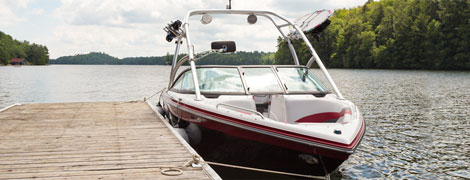
Protecting Ontario’s natural environment and economy from invasive species
Effective January 1, 2021, we’re regulating 13 new invasive species and watercraft as a carrier of invasive species under Ontario’s Invasive Species Act.
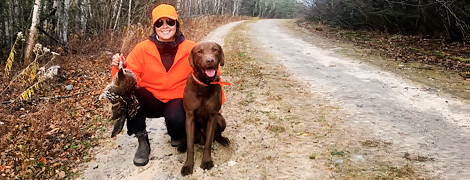
Making life easier for hunters and anglers
Learn about what you need to know before you head outdoors.
What we do
- Sustainably manage Ontario’s fish and wildlife resources.
- Lead the management of Ontario’s Crown lands, water, oil, gas, salt and aggregates resources, including making Crown land available for renewable energy projects.
- Ensure the sustainable management of Ontario’s Crown forests.
- Protect people, property and communities from forest fires, floods and droughts.
- Develop and apply geographic information to help manage the province’s natural resources.
Ministry of Natural Resources and Forestry
Natural Resources Information and Support Centre (NRISC)
300 Water Street
Peterborough, Ontario K9J 8M5
Minister, media and news
Contact the Minister
Social media
Agencies, boards and commissions
The ministry is affiliated with the following independent agencies:
- Algonquin Forestry Authority (classified agency)
- Big Game Management Advisory Committee
- Council of the Association of Ontario Land Surveyors
- Council of the Ontario Professional Foresters Association
- Fish and Wildlife Heritage Commission (classified agency)
- Lake of the Woods Control Board
- Nawiinginokiima Forest Management Corporation
- Niagara Escarpment Commission
- Ontario Geographic Names Board
- Ottawa River Regulation Planning Board
- Rabies Advisory Committee
Legislation
The ministry administers the following legislation:
- Aggregate Resources Act
- Algonquin Forestry Authority Act
- An Act for the Settlement of Certain Questions between Governments of Canada and Ontario Respecting Indian Reserve Lands
- An Act to Confirm the Title of the Government of Canada to Certain Lands and Indian Lands
- Arboreal Emblem Act
- Avian Emblem Act
- Beds of Navigable Waters Act
- Conservation Land Act, R.S.O 1990, c. C.28
- Crown Forest Sustainability Act
- Duffins Rouge Agricultural Preserve Act, 2005, S.O 2005, c. 30
- Far North Act
- Fish and Wildlife Conservation Act
- Fisheries Act (Canada) – Ontario Fishery Regulations
- Fisheries Development Act (Canada)
- Fisheries Loans Act
- Forest Fires Prevention Act
- Forestry Act
- Forestry Workers Lien for Wages Act
- Freshwater Fish Marketing Act (Ontario)
- Gas and Oil Leases Act
- Heritage Hunting and Fishing Act
- Indian Lands Act
- Indian Lands Agreement (1986) Confirmation Act
- Industrial and Mining Lands Compensation Act
- Invasive Species Act
- Lake of the Woods Control Board Act
- Lakes and Rivers Improvement Act
- Migratory Birds Convention Act (Canada) – Ontario Regulations
- Mineral Emblem Act
- Niagara Escarpment Planning and Development Act
- Oil, Gas and Salt Resources Act
- Ontario Forest Tenure Modernization Act
- Ontario Geographic Names Board Act
- Ottawa River Water Powers Act
- Professional Foresters Act
- Public Lands Act
- Seine River Diversion Act
- Steep Rock Iron Ore Development Act
- Surveyors Act
- Surveys Act
- Wild Rice Harvesting Act
- Wilderness Areas Act
Updated: January 03, 2024
Published: June 08, 2016